The beauty industry has never remained static, and its packaging has evolved alongside consumer lifestyles, manufacturing technology, and changing ideas about luxury. Cosmetic packaging boxes have moved from simple protective containers to sophisticated brand communication tools. Today, packaging can influence purchasing decisions, create memorable unboxing experiences, communicate sustainability, and help customers understand a product before they even open it.
The history of cosmetic packaging provides valuable insight into where the industry is heading next. By examining earlier packaging practices, current innovations, and emerging technologies, brands can understand how future packaging may become more sustainable, personalized, intelligent, and functional.
How Cosmetic Packaging Began
Before modern beauty brands emerged, cosmetics were commonly stored in basic containers made from materials such as glass, ceramic, metal, and paper. Packaging was mainly concerned with keeping products protected from moisture, dust, contamination, and physical damage.
Visual branding was relatively limited. A container might include the manufacturer’s name and basic product information, but packaging was not yet treated as a major marketing asset.
As commercial cosmetics became more widely available, manufacturers needed better ways to differentiate their products. Printed cartons and decorative containers gradually became more common, creating the foundation for modern cosmetic packaging boxes.
The Transformation of Cosmetic Packaging Through Mass Production
Industrial manufacturing dramatically changed the packaging industry. Large-scale production made it possible to create standardized containers and printed cartons at lower costs.
Paperboard became particularly useful because it was lightweight, printable, and relatively easy to shape. Brands could place logos, colors, illustrations, instructions, ingredients, and promotional messages directly on the package.
This transformed packaging into a communication platform.
A customer could recognize a product on a crowded retail shelf because of its distinctive color scheme, typography, box structure, or visual identity. Packaging became part of the brand rather than simply an outer covering.
The Luxury Packaging Revolution
As competition in cosmetics intensified, premium brands began using packaging to communicate exclusivity.
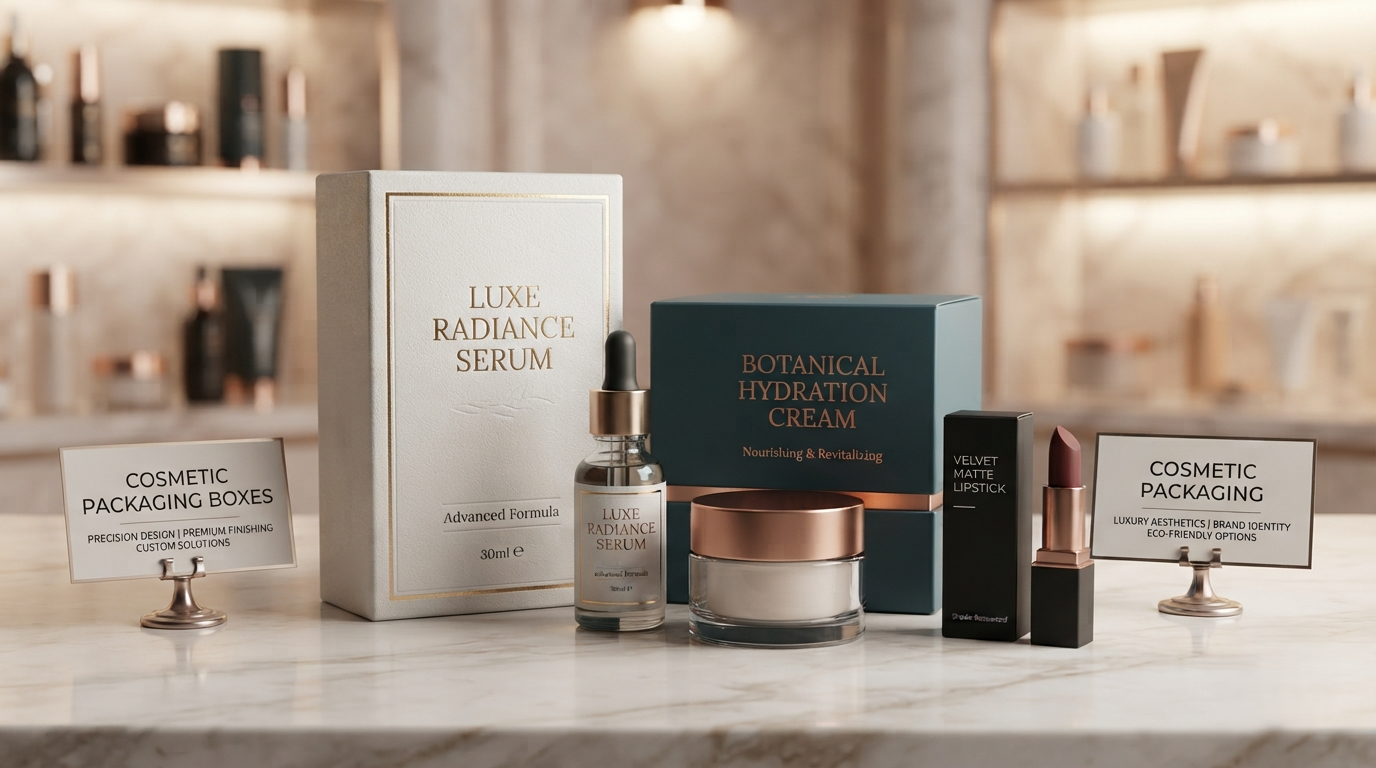
Luxury cosmetic packaging boxes incorporated features such as:
- Rigid board construction
- Foil stamping
- Embossed logos
- Debossed patterns
- Textured papers
- Magnetic closures
- Decorative inserts
- Premium printing
- Custom-shaped structures
These details changed how consumers perceived the product. A beautifully designed box could create a sense of anticipation before the product was even revealed.
Luxury packaging also became important for gifting. Perfumes, skincare collections, makeup sets, and beauty accessories increasingly used packaging designed to look impressive outside the product itself.
The Digital Age Changed Packaging Expectations
The arrival of e-commerce created another major turning point.
Previously, consumers usually experienced packaging after purchasing a product from a physical store. Online shopping changed this sequence. Customers now encounter product images, videos, reviews, social media posts, and advertisements before physically touching the package.
This made visual packaging more important than ever.
Brands began designing packages that photograph well and create memorable unboxing moments. The package became part of the customer’s digital experience because consumers could share photographs and videos of their purchases online.
Consequently, cosmetic packaging started serving two environments simultaneously: the physical retail shelf and the digital marketplace.
Sustainability Changes the Packaging Conversation
Environmental concerns have become one of the most influential forces shaping packaging development.
Traditional packaging systems often relied heavily on virgin materials, plastic components, coatings, and complex combinations that could make recycling difficult. Increasing awareness of waste and resource consumption has encouraged beauty companies to reconsider packaging decisions.
Modern packaging development increasingly explores:
- Recycled paper and board
- Recyclable packaging structures
- Responsibly sourced fibers
- Reduced packaging volume
- Refillable containers
- Reusable packaging
- Water-based or lower-impact printing systems
However, sustainable packaging requires careful planning. A package should still protect sensitive beauty products from contamination, breakage, light, oxygen, and moisture.
The challenge is therefore not simply to use less material but to develop packaging that delivers the required performance with a more responsible overall footprint.
Comparing Old and Emerging Packaging Models
| Feature | Traditional Packaging | Emerging Packaging |
| Primary purpose | Product protection | Protection and brand experience |
| Materials | Conventional materials | Recycled and renewable options |
| Design | Standard formats | Custom structures |
| Production | Large production runs | Flexible production |
| Marketing | Shelf visibility | Physical and digital visibility |
| Technology | Conventional printing | Digital and smart features |
| Sustainability | Limited consideration | Design priority |
What the Future Holds for Cosmetic Packaging Boxes
The next generation of cosmetic packaging boxes is likely to be more intelligent and adaptable.
Manufacturers are increasingly expected to create packaging that responds to changing consumer expectations without sacrificing performance. This could lead to lighter structures, optimized dimensions, improved recyclability, and more efficient manufacturing processes.
Customization will also become easier. Digital printing and flexible manufacturing can allow brands to produce smaller quantities of specialized packaging. Instead of ordering enormous quantities of one design, businesses may increasingly create packaging for specific campaigns, markets, product launches, or seasonal collections.
Personalization Will Become More Important
Consumers increasingly value products that feel relevant to their individual needs. Packaging can support this trend through customized artwork, limited-edition designs, personalized messages, and targeted campaigns.
For example, the same cosmetic product could use different packaging designs for different seasons or consumer groups while maintaining consistent brand recognition.
This approach can help brands create excitement without completely redesigning their packaging systems.
Smart Cosmetic Packaging Is Emerging
Technology is likely to become increasingly connected with packaging.
A simple printed code can potentially connect customers to a much larger digital ecosystem. Future packages may provide access to:
- Product authentication
- Detailed ingredient information
- Application tutorials
- Manufacturing information
- Recycling instructions
- Product registration
- Loyalty rewards
- Personalized recommendations
Near-field communication and other identification technologies may also help brands improve traceability and consumer engagement.
Smart packaging can therefore transform a box from a passive object into an interactive communication channel.
Minimalism Versus Expressive Design
Future packaging will not follow one universal design trend.
Some brands will prefer minimalist packaging featuring clean typography, subtle textures, neutral colors, and restrained graphics. This approach can communicate sophistication and simplicity.
Other companies will choose energetic designs with vibrant colors, artistic illustrations, unusual structures, and experimental finishes.
Both approaches can succeed when they are aligned with the intended customer and brand positioning.
The key lesson is that effective cosmetic packaging should have a clear purpose rather than following trends blindly.
How Brands Can Prepare for the Future
Companies developing new packaging should think beyond appearance. A future-ready packaging strategy can include:
- Define the brand’s visual identity.
- Analyze product protection requirements.
- Select materials according to performance and sustainability goals.
- Optimize dimensions to reduce unnecessary material.
- Consider transportation and storage conditions.
- Design for both retail and e-commerce.
- Evaluate recyclable or reusable structures.
- Explore digital engagement opportunities.
- Test packaging before mass production.
This approach can reduce costly redesigns while creating a stronger connection between packaging and business strategy.
Frequently Asked Questions About Cosmetic Packaging
What are cosmetic packaging boxes used for?
They protect beauty products while providing space for branding, product information, instructions, and marketing communication.
Why has cosmetic packaging changed?
Changes in consumer behavior, technology, e-commerce, manufacturing, sustainability expectations, and competition have all influenced packaging development.
What makes packaging look luxurious?
Premium papers, rigid structures, embossing, foil details, sophisticated printing, custom inserts, and carefully engineered opening experiences can contribute to a luxury appearance.
Is custom packaging suitable for small brands?
Yes. Advances in digital printing and flexible manufacturing can make customized packaging more accessible to emerging and smaller businesses.
Why is sustainable packaging becoming important?
Consumers and businesses are increasingly concerned about waste, material consumption, recyclability, and the environmental impact of packaging.
Can paperboard protect cosmetic products?
Paperboard is commonly used for secondary packaging and can provide structural protection, branding space, and product information. The appropriate design depends on the product and its protection requirements.
What is refillable cosmetic packaging?
Refillable systems allow consumers to replace the product inside a reusable outer container, potentially reducing the need to discard the complete package after each purchase.
How does e-commerce affect cosmetic packaging?
Packaging must withstand transportation while still delivering a visually appealing presentation when the customer opens the shipment.
Will technology become part of packaging?
Yes. QR codes, NFC, digital identifiers, and connected product information can make packaging more interactive and useful.
What will define future cosmetic packaging?
Sustainability, customization, functionality, digital integration, efficient materials, traceability, and memorable consumer experiences are likely to become increasingly important.